
Holiday Flock Blocks Made With Applesauce
Welcome to my guide on creating delicious and nutritious Holiday Flock Blocks made with applesauce! Designed to provide your flock with a festive and healthy treat, these homemade blocks are packed with the goodness of applesauce and can be customized with various flavors and ingredients. In this article, we will explore the benefits of using applesauce in flock blocks, provide a step-by-step guide on how to make them, suggest creative variations and flavor combinations, offer tips on storing and presenting the blocks, discuss the health benefits for your flock, address common questions and troubleshooting, and conclude with our final thoughts. Let's dive in and create some delightful treats for your feathered friends this holiday season!
Introduction to Holiday Flock Blocks Made With Applesauce
What are Holiday Flock Blocks?
Holiday flock blocks are a fun and nutritious treat for your feathered friends during the festive season. These handy blocks are packed with essential nutrients and can be easily made using simple ingredients found in your kitchen. Not only do they provide a tasty snack, but they also keep your flock entertained and stimulated.
The Advantages of Using Applesauce in Flock Blocks
When it comes to making flock blocks, applesauce is a game-changer. Not only does it serve as a binding agent, but it also offers a range of advantages. Applesauce adds moisture to the mixture, making it easier to mold into blocks. It also enhances the palatability of the treats, making your feathered friends gobble them up in no time. So, get ready to impress your flock with these delightful holiday treats!
Benefits of Using Applesauce in Flock Blocks

Nutritional Benefits of Applesauce for Flocks
Applesauce is not just a tasty ingredient; it also brings a host of nutritional benefits to your flock. It contains essential vitamins, minerals, and antioxidants that promote overall health and well-being. Plus, applesauce is a rich source of dietary fiber, aiding in digestion and preventing digestive issues. By incorporating applesauce into your flock blocks, you're not only giving your feathered friends a delicious treat, but also boosting their nutritional intake.
Enhanced Palatability and Consumption
Let's face it, chickens can be picky eaters at times. But when you add applesauce to the mix, their taste buds go wild! The natural sweetness and aroma of applesauce make it irresistible to chickens, encouraging them to devour the flock blocks with delight. Ensuring that your flock gets proper nutrition and consumes the treats you offer them has never been easier with the help of applesauce.
Step-by-Step Guide to Making Holiday Flock Blocks
Gathering the Ingredients
To get started, you'll need a few simple ingredients:
Applesauce (unsweetened)
Rolled oats or cornmeal
Poultry feed or flock raiser pellets
Optional add-ins like dried fruits or herbs
Cracked corn
Dried black soldier fly larvae
Pumpkin seeds
Wild bird seed
Vegetable lard
Preparing the Applesauce Mixture
In a mixing bowl, combine the applesauce, rolled oats or cornmeal, and poultry feed or flock raiser pellets. Mix everything together until you achieve a firm, dough-like consistency. If the mixture feels too dry, you can add a little more applesauce to bind it together.
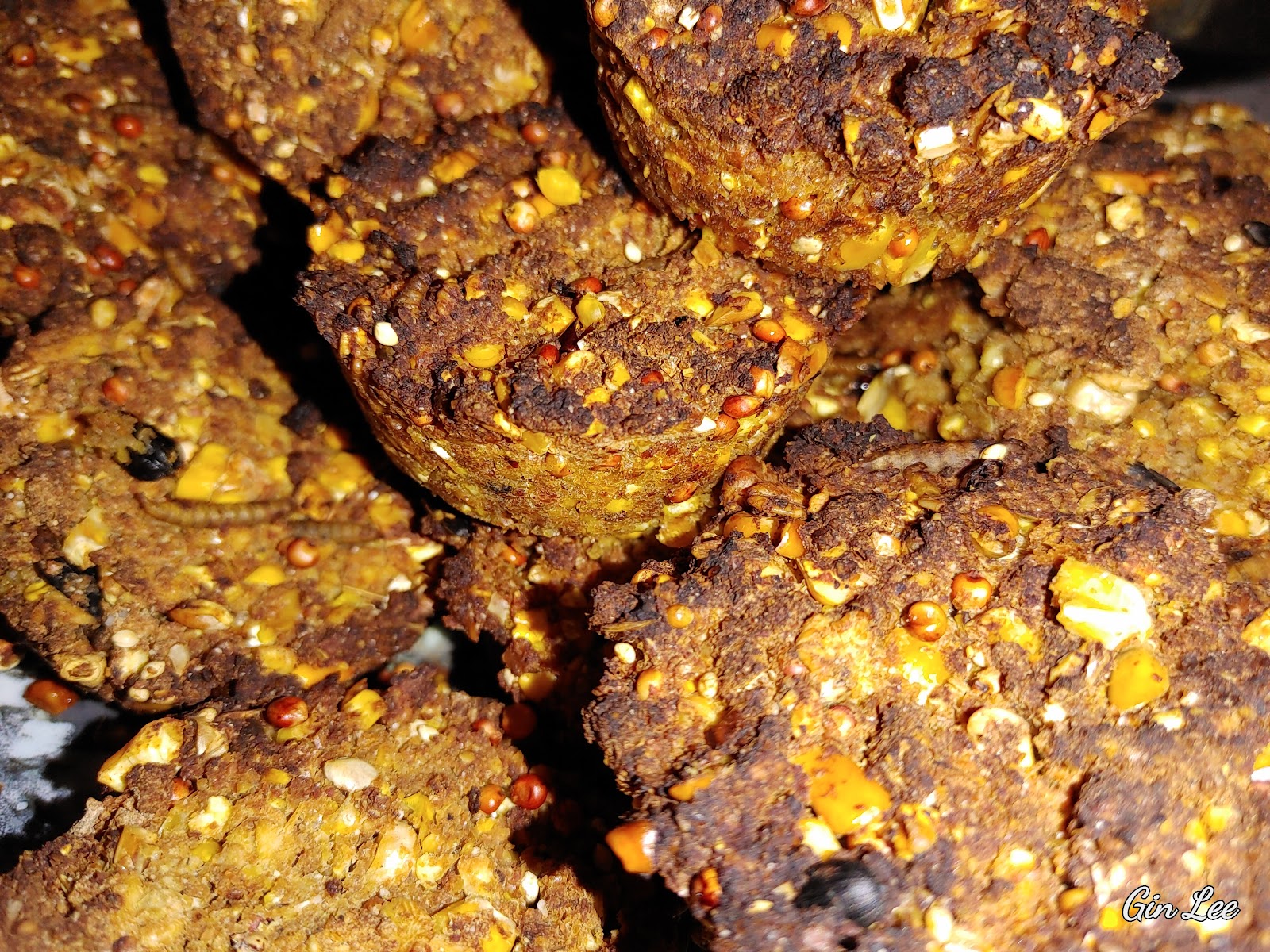
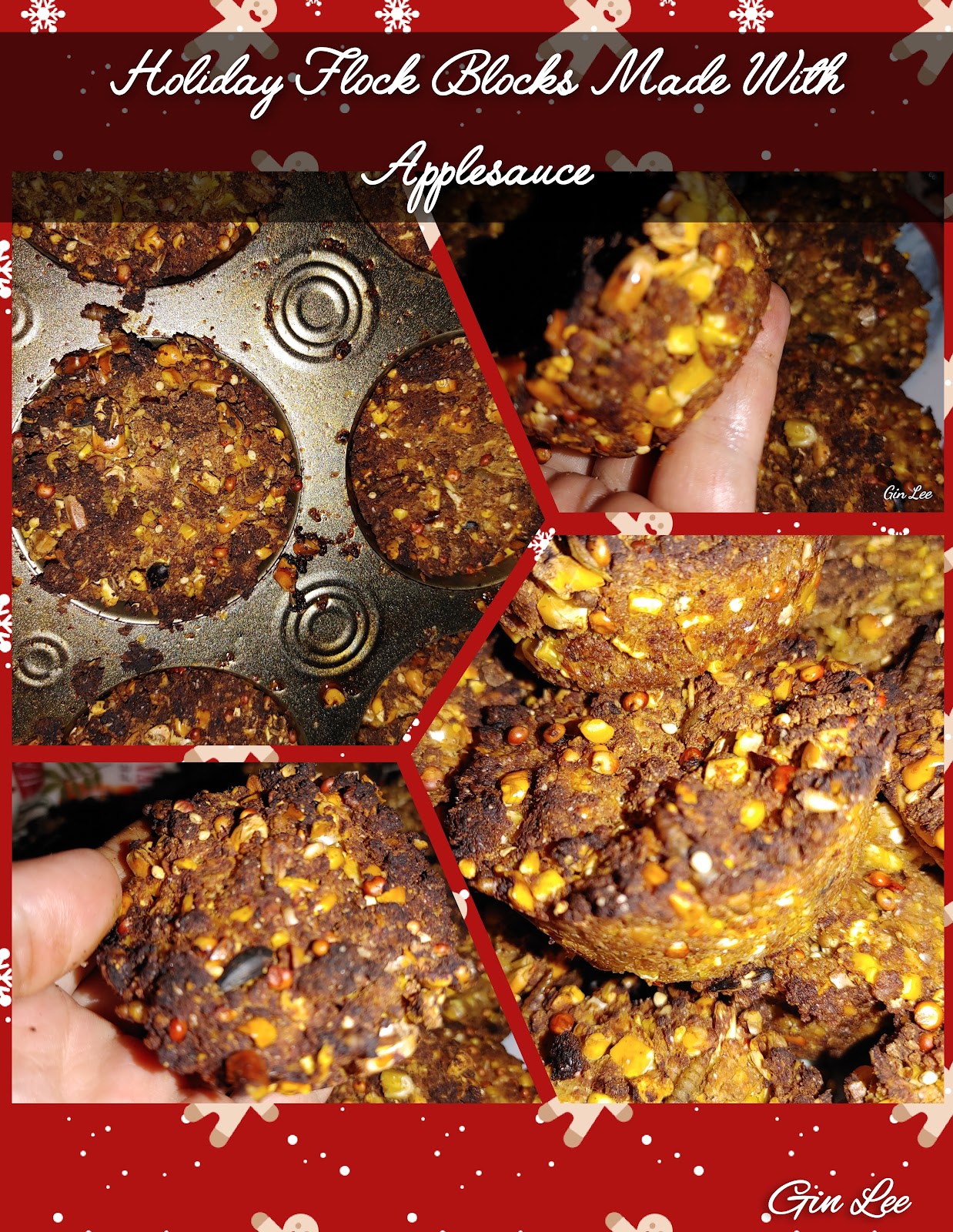
Note: For this batch, I used 4 cups of applesauce (unsweetened), 2 cups of rolled oats, 2 cups of poultry feed, 1 cup of wild bird seed, 1/4 cup of dried fruits, 1/4 cup of herbs, 2 cups of cracked corn, 1/4 cup of dried black soldier fly larvae, and a handful of pumpkin seeds. I mixed these ingredients up and then added about a half cup of vegetable lard.
Molding and Setting the Flock Blocks
Once your mixture is ready, it's time to shape the flock blocks. You can use your hands or a cookie cutter to mold them into fun shapes or simply press them into a baking dish for a more traditional block shape. Today, I made the flock blocks in muffin tins.
I generally bake my flock blocks for about 35 to 40 minutes, but you can also allow the blocks to set and firm up for a few hours or overnight. Once they're solid, they're ready to be served to your eager flock!
Creative Variations and Flavor Combinations
Adding Dried Fruits and Nuts
Want to take your flock blocks to the next level? Try adding dried fruits like cranberries or raisins, as well as some chopped nuts such as almonds or walnuts to the mixture. These extra flavors and textures will give your chickens a delightful surprise and make their taste buds sing!
Incorporating Herbs and Spices
To add some aromatic goodness to your flock blocks, consider incorporating herbs and spices. Sprinkle in some dried herbs like parsley or basil, or even a pinch of cinnamon or ginger for a touch of warmth. Not only will your flock love the added flavors, but these herbs and spices also offer additional health benefits.
Exploring Savory Options
Who says flock blocks have to be sweet? Experiment with savory variations by adding ingredients like chopped cooked vegetables, cooked quinoa, or even grated cheese to the mixture. Your chickens will appreciate the unique flavors, and you'll have a recipe that stands out from the crowd.
So, get creative and let your imagination run wild as you create these delightful holiday flock blocks made with applesauce. Your feathered friends will be forever grateful for the tasty treats you provide them this holiday season!
Tips for Storing and Presenting Holiday Flock Blocks
Proper Storage Techniques
Once you've whipped up a batch of delicious holiday flock blocks made with applesauce, you'll want to ensure they stay fresh for your feathered friends. To store them properly, simply place the blocks in an airtight container or resealable bag. This will help maintain their moisture and prevent them from drying out. Store them in a cool, dry place, away from direct sunlight and extreme temperatures.
Decorative Presentation Ideas
Who says flock blocks can't be festive? Elevate your presentation by adding a touch of holiday cheer to your feathered feasts. You can place the blocks on a bed of colorful bird-safe edible decorations like cranberries, dried herbs, or even small twigs for a woodland vibe. For an extra wow factor, use holiday-themed cookie cutters to shape the blocks into fun shapes like stars or snowflakes. Remember, your feathered friends deserve a little holiday magic too!
Health Benefits for Flocks and How to Introduce the Blocks
Improved Nutrition and Digestion
Feeding your flock holiday flock blocks made with applesauce not only satisfies their taste buds but also provides nutritional benefits. The applesauce adds natural fruit flavors while offering vitamins and minerals that support their overall health. Additionally, the blocks can aid in digestion due to the fibrous ingredients like oats and seeds, helping to keep their digestive system in check during the holiday indulgence.
Gradual Introduction and Monitoring
Introducing new treats to your flock requires a gradual approach. Start by offering small pieces of the flock blocks and observe how your feathered friends respond. Monitor their consumption and ensure they don't overindulge. Remember, moderation is key when it comes to introducing new foods. If your flock shows any signs of discomfort or abnormal behavior, it's best to consult a poultry expert to ensure their well-being.
Conclusion and Final Thoughts on Holiday Flock Blocks Made With Applesauce
In conclusion, holiday flock blocks made with applesauce are a delightful treat for your feathered friends during the festive season. These blocks not only provide a burst of flavor but also offer nutritional benefits and aid in digestion. By following proper storage techniques and adding a decorative touch, you can elevate the presentation of these treats. Remember to introduce them gradually and monitor your flock's response to ensure their well-being. If you encounter any issues, don't worry—substituting ingredients and adjusting the recipe can help troubleshoot. So, spread the holiday joy to your flock and watch them peck away at these delicious and nutritious treats! Happy holidays, happy flock!
Frequently Asked Questions and Troubleshooting
Can I substitute applesauce with another ingredient?
Yes, if you don't have applesauce or if your flock has specific dietary restrictions, you can consider using other pureed fruits such as bananas or pureed vegetables like pumpkin or sweet potato. Just ensure that the substitute ingredient is safe and suitable for your flock's consumption.
Why are my flock blocks not setting properly?
If your flock blocks are not set properly, there could be a few reasons for this. Firstly, make sure you've followed the recipe correctly and measured the ingredients accurately. Additionally, the ambient temperature and humidity in your surroundings can affect the setting time. If the blocks are not setting, try placing them in a cooler area or refrigerating them for a longer duration.
How long can I store the holiday flock blocks?
The storage duration of holiday flock blocks depends on the ingredients used and the storage conditions. Generally, these blocks can be stored for about 1-2 weeks in an airtight container in a cool, dry place. However, it is always recommended to check for any signs of spoilage or mold before feeding them to your flock.
Can I feed these flock blocks to other poultry animals?
While the holiday flock blocks are primarily designed for chickens, they can also be enjoyed by other poultry animals such as ducks or turkeys. However, it's important to note that some ingredients or flavors may not be suitable for certain poultry species, so always do thorough research and consult with a veterinarian if you have any concerns.